
Dairy-Free Milk Alternatives
Dairy free milk has moved well beyond a niche request in UK hospitality — it is now a core component of professional kitchen and café service. Whether you are steaming oat milk for a flat white, whipping a coconut-based cream for a plated dessert, or scaling a pea-milk foam across a busy brunch service, the technical demands of dairy free milk are distinct from those of bovine dairy and require a considered approach.


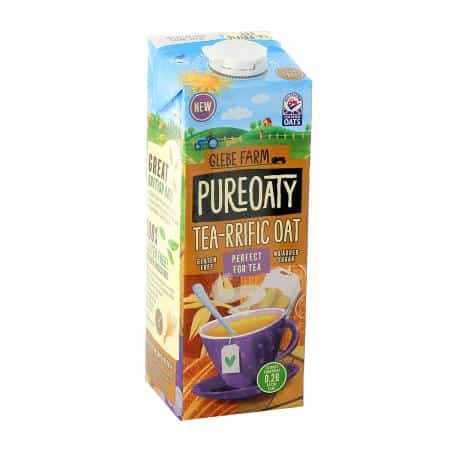
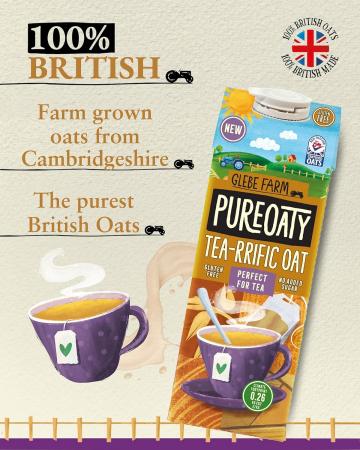
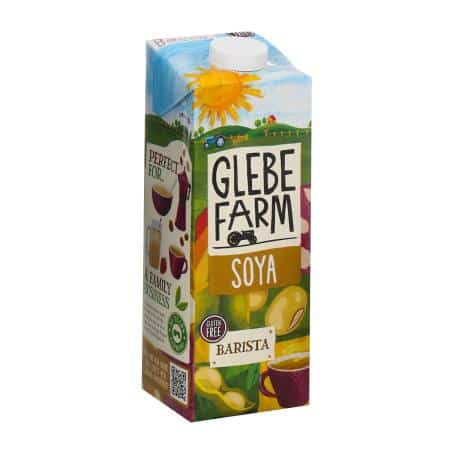
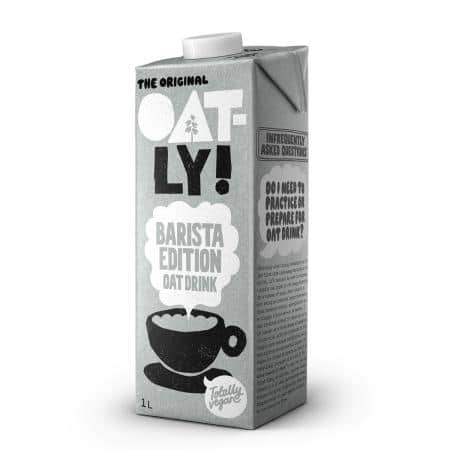
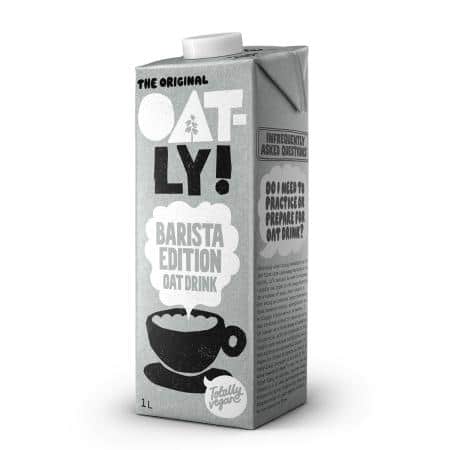
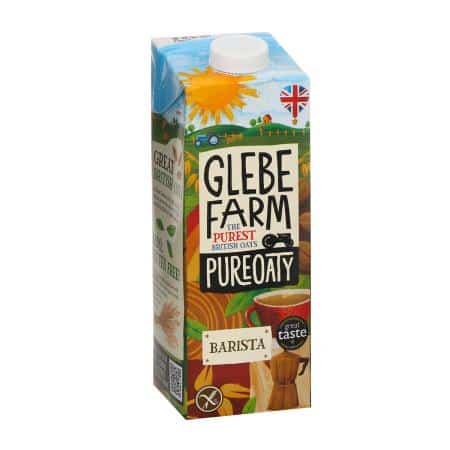
Optimising Dairy-Free Milk for Professional Dairy Free Milk Aeration
This release updates aeration guidance and brand compatibility data to reflect the rapidly expanding plant-based market — equipping UK hospitality professionals with technically grounded benchmarks for dairy-free milk for coffee service, from flat whites and cortados through to high-volume espresso programmes.
The global dairy-free milk market is projected to reach $51.48 billion by 2028, growing at a CAGR of 12.5% (Fortune Business Insights), making plant-based competency no longer optional for UK kitchens and café operators. Demand for dairy-free milk alternatives UK wide has moved decisively from niche to mainstream — and nowhere is that shift more visible than in the growing expectation for perfectly aerated dairy free milk for coffee across independent cafés and hospitality venues alike.
The core technical problem remains foam stability. As James Hoffmann, World Barista Champion, notes: "The challenge with plant-based milks in a professional kitchen is their tendency to separate or 'break' when exposed to high heat or acidity." Proteins and emulsifiers in plant milks behave differently to bovine casein — making standard steaming and frothing techniques unreliable, particularly when preparing dairy free milk for coffee drinks that demand a consistent, silky microfoam.
N2O addresses this directly. Introducing nitrous oxide via a cream charger dispenser saturates the liquid under pressure, forcing gas into suspension before thermal breakdown can occur. This stabilises the foam structure at the molecular level, producing consistent texture regardless of the milk's botanical origin.
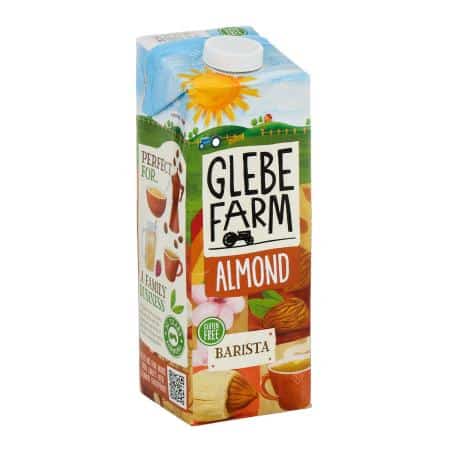
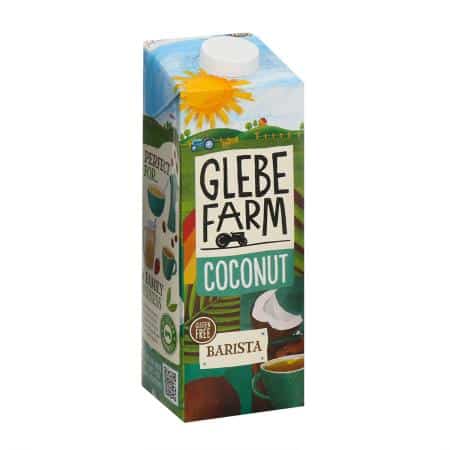
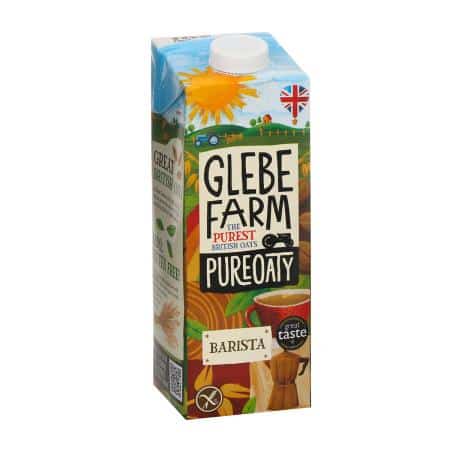
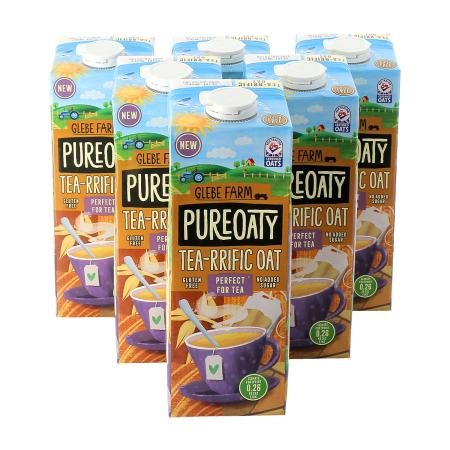
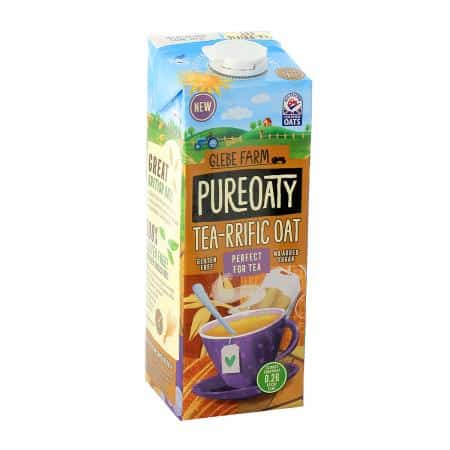
Dairy Free Milk Brands UK — Covered in This Update
- Oat — highest protein-to-fat ratio for N2O aeration
- Pea-based (e.g. Ripple) — superior structural integrity under pressure
- Almond and rice — require added stabilisers; assessed in detail next
The following section benchmarks leading dairy-free milk brands in the UK professionals rely on, with performance ratings under N2O aeration conditions.
New Research: Performance Ratings for Top Plant-Based Brands
Choosing the right dairy-free milk for aeration isn't guesswork — protein and fat content determine whether your foam holds or collapses within seconds.
With 48% of consumers globally now opting for dairy-free alternatives for reasons spanning lactose intolerance to sustainability, understanding how each lactose free milk alternative performs under N2O pressure is increasingly relevant to professional kitchens — whether you are aerating for coffee service or selecting a dairy free milk for baking applications such as whipped toppings and custard-based desserts.
| Milk Type | Protein/Fat Profile | Aeration Stability Rating |
|---|---|---|
| Oat | Moderate protein, higher fat | ★★★★★ |
| Pea (Ripple) | High protein, high fat | ★★★★☆ |
| Almond | Low protein, very low fat | ★★☆☆☆ |
| Rice | Negligible protein/fat | ★☆☆☆☆ |
Oat milk is the recognised gold standard for N2O aeration. Its comparatively higher fat content supports the bubble matrix that N2O builds under pressure, producing stable, creamy foam. That same fat profile also makes oat milk a reliable dairy free milk for baking — performing consistently in sponge batters, scone mixes, and whipped cream alternatives where structural integrity matters.
Pea-based milk (such as Ripple-style formulations) performs strongly due to its dense protein structure, which maintains integrity even when a charged cream dispenser releases gas rapidly. The result is a firm, slow-collapsing foam well suited to plated desserts and high-volume service.
Almond and rice milks present a consistent challenge. Their negligible fat and protein levels mean foam collapses rapidly without added stabilisers such as sunflower lecithin or guar gum. Formulators using these dairy-free alternatives — whether for aeration or as a dairy free milk for baking — should incorporate stabilisers before charging or combining with other ingredients.
N2O chargers typically double the volume of plant-based liquids versus manual whisking — a measurable efficiency gain worth considering when scaling whipped preparations across service.
With performance profiles established, the practical question becomes how to implement these findings reliably in your kitchen — which the next section addresses directly.
Implementing Dairy-Free Aeration in Your Kitchen
Correct plant-based milk aeration technique separates a silky, stable foam from a watery collapse — and the process begins before you even touch the siphon.
Follow these implementation steps for consistent results:
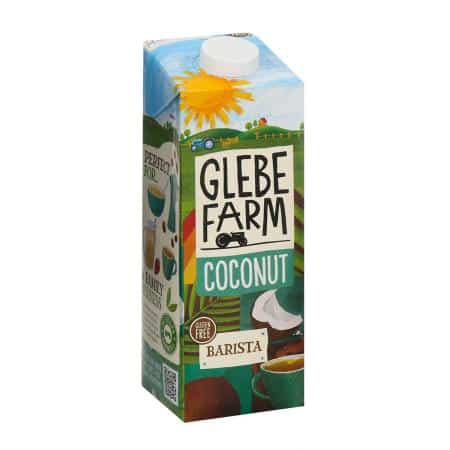
- Chill your base. Refrigerate your chosen plant-based milk — whether a soy milk alternative or a dairy free coconut milk — to between 2°C and 4°C. Cold liquid absorbs N2O far more efficiently; warmer temperatures cause gas to escape before foam sets.
- Fill to the maximum line. Overfilling restricts gas expansion. Leave adequate headspace inside the siphon chamber.
- Charge and shake. Attach your N2O cartridge, charge, then shake vigorously for 8–10 seconds. According to N2O Cream Chargers internal data, pressurised N2O solutions can double liquid volume whilst maintaining stability even in warmer service environments.
- Dispense immediately or rest upright. For denser bases such as oat or cashew, a 2-minute rest improves texture before dispensing.
- Purge and rinse between liquids. When switching from dairy to plant-based, fully purge residual pressure, disassemble the head, and rinse all components with warm water to prevent cross-contamination and flavour carry-over.
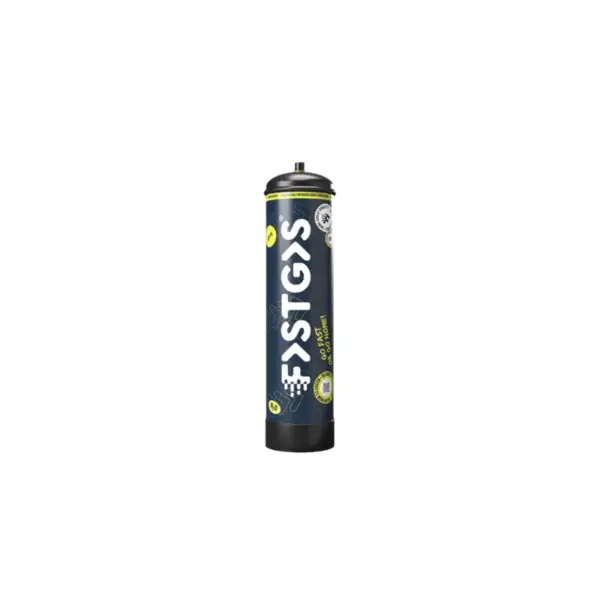
For equipment choice, standard 8g cartridges suit home and small-café use, whilst 640g professional cylinders offer the high-volume consistency demanded by busy service environments without constant recharging.
Ready to scale up your plant-based menu? Explore our 640g professional cylinders — built for high-volume cafés that cannot afford downtime.

Free Shipping
On all orders over £99

Trusted Service
Trusted by over 450 customers

Money-Back Guarantee
Shop with confidence

Customer Support
We're here to help