
String and Tag Tea Bags
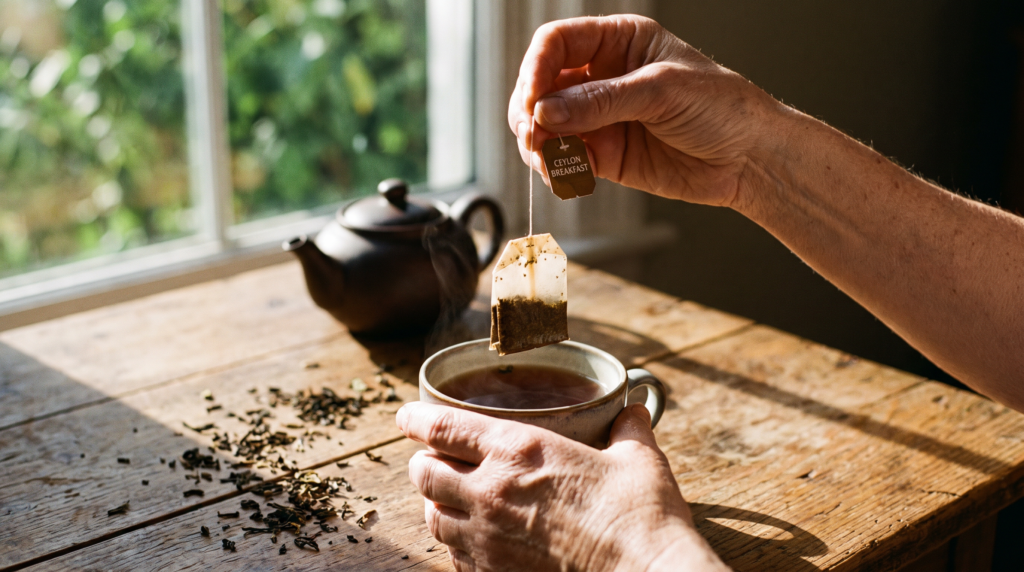
Loose leaf tea is kept inside a sealed pouch. There is a small knotted string attached to the pouch, and a small hidden tag is attached to the other end of the string. This design is specifically designed for brewing a cup of tea, so that the tea can be easily removed after it has been thoroughly steeped and flavored. It allows for easy control of the time the tea is kept in the water. This means that the tea maker decides for himself how long to keep the tea bag in the hot water and when to take it out. The string eliminates the need to use a spoon to remove the tea bag and also keeps hands away from the hot water.


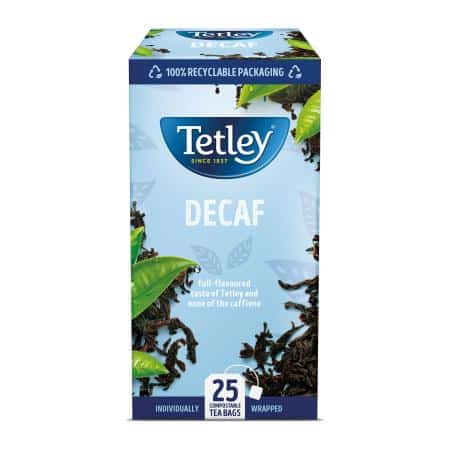
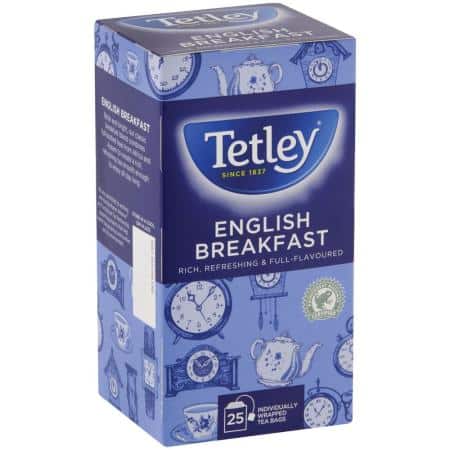
Double string tea bag or squeezer format
A variation of this design is called the double string tea bag or squeezer format. It uses two strings instead of one. Both strings can be wrapped around the rim of the cup in such a way that the tea bag is pressed against the rim of the cup. This method allows more flavor and water to be extracted from the tea inside the bag, and then the tea bag is easily discarded.
Practical history
This design also has a practical history. According to Bruu Tea, early tea bags were made of gauze, a fine mesh-like fabric. Paper later replaced gauze. Paper was favored because it made it easier to make tea bags in large quantities. It was also attached with a small string and tag so that the tea bag could be easily removed and the tea was kept in water for the appropriate amount of time.
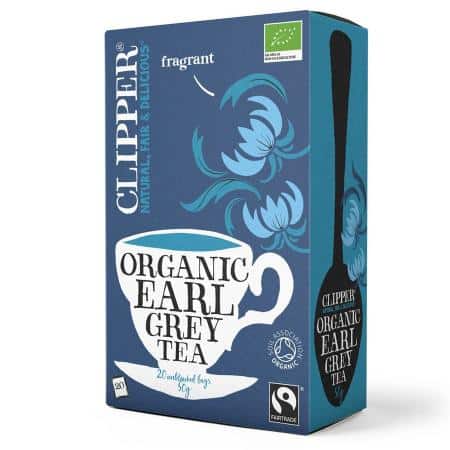
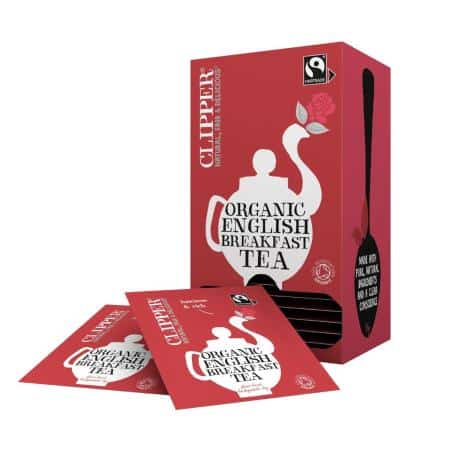
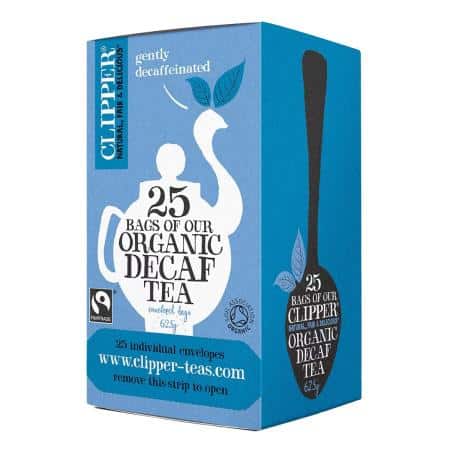
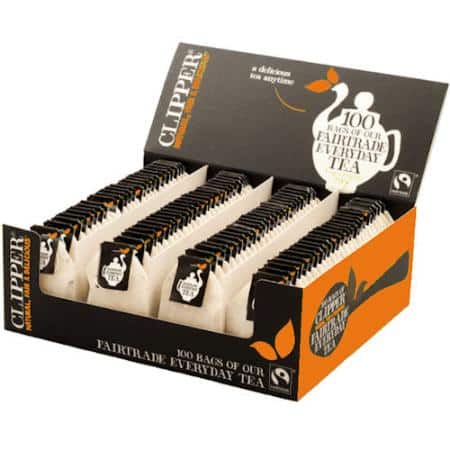
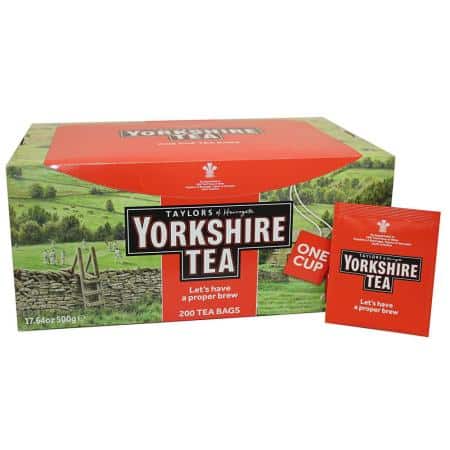
This method of making paper, string, and tag had become a common and well-known style by the 1950s. Today, tea bags yorkshire and Yorkshire Tea string and tag tea bags are among the common examples of this type of tea bags. Similarly, clipper string and tag tea bags are also prominent examples in this category. According to Fact.MR, this type of packaging accounts for about 36.2% of the global tea bag packaging demand.
It is then important to understand how this type of packaging is actually manufactured and what impact it has on the environment.
Manufacturing and environmental benefits
Tag tea bags are tea bags that use physical or mechanical methods instead of heat sealing to avoid synthetic coatings. For this reason, they are considered to be relatively simpler and better for the environment among tea bag formats.
According to Treading My Own Path, there are three basic physical methods that can be used to close a tea bag pouch:
Folding
In this method, the edges of the filter paper are folded or folded together to secure them. This way, the edges of the pouch are closed and no adhesive is needed to keep it closed.
Stitching
In this method, the tea bag pouch is closed with the help of thread. In some cases, the same cotton string also acts as a string attached to the tea bag. In this way, a single thread can be used to tightly close and hold the pouch.
Stapling
In this method, a small metal staple is used. This staple can firmly attach the string to both the pouch and the tag in one place. In this way, the string and the tag are made of a single fastening point.
Polypropylene in heat-sealed tea bags
This method is important because polypropylene is often used in common heat-sealed tea bags. Polypropylene is a type of plastic that does not easily break down in hot water.
A study by McGill University found that soaking a plastic-based tea bag in hot water at 95°C can release about 11.6 billion microplastics into the water. This means that a very large number of very fine plastic particles can be added to the water from a small tea bag.
Paper and printed tags
In comparison, well-made tag tea bags can use unbleached paper or oxygen-whitened paper. This also includes a printed tag. The ink used on the tag should also be food-safe and heat-resistant, so that when the tag is placed near or on a hot cup, it does not deteriorate and does not transfer harmful substances to the tea.
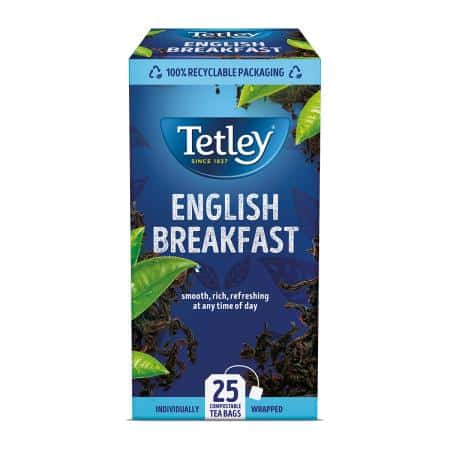
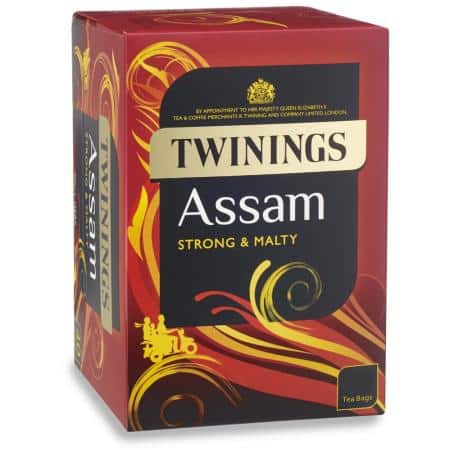
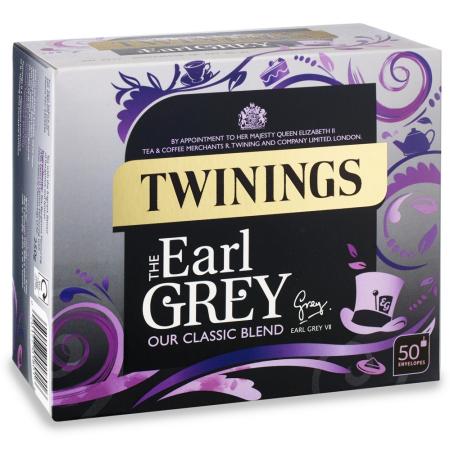
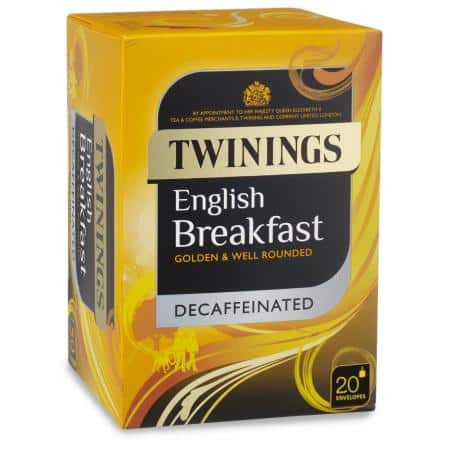
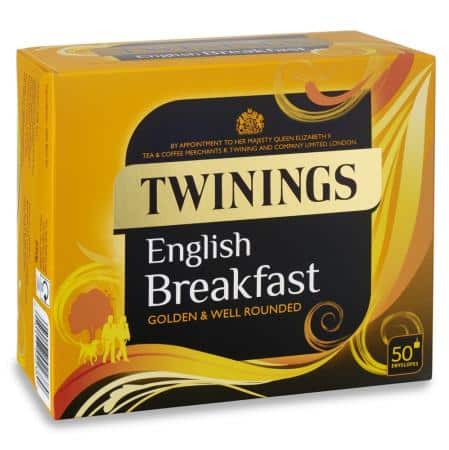
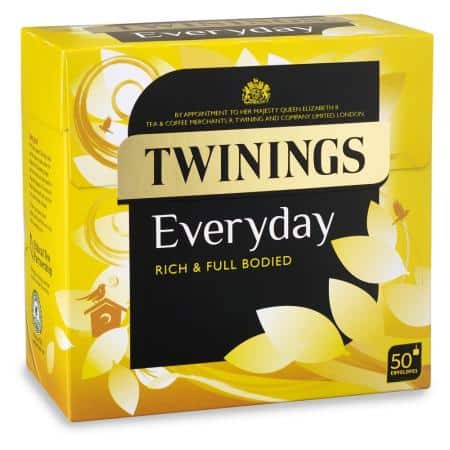
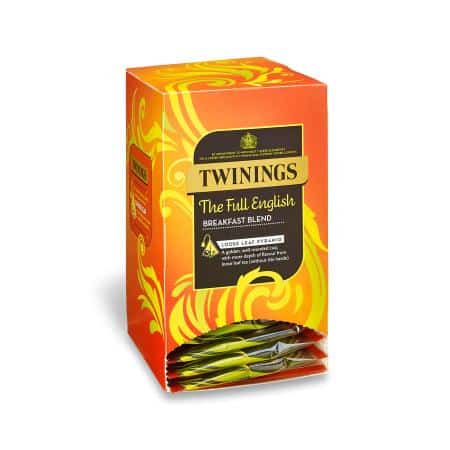
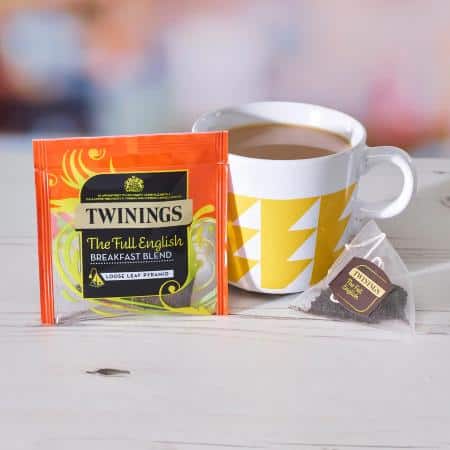
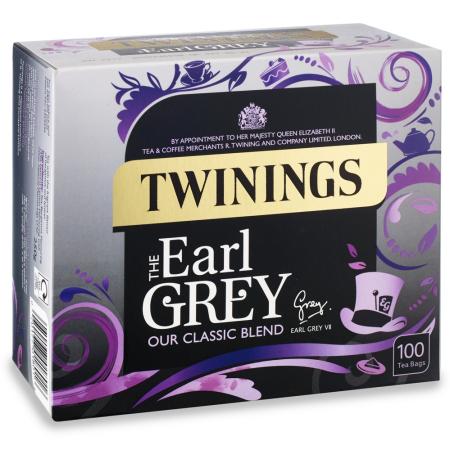
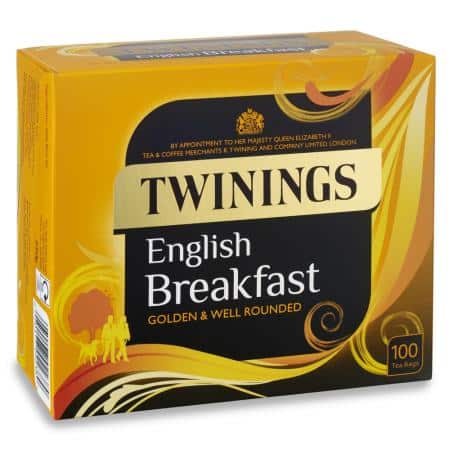
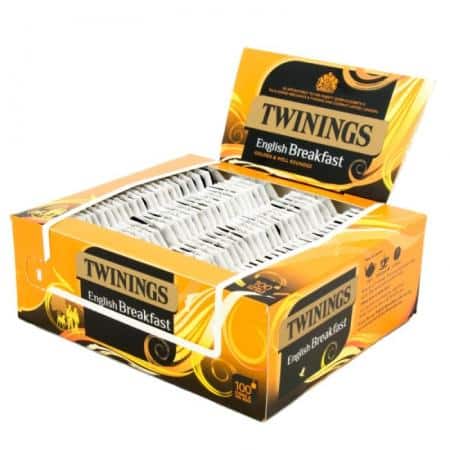
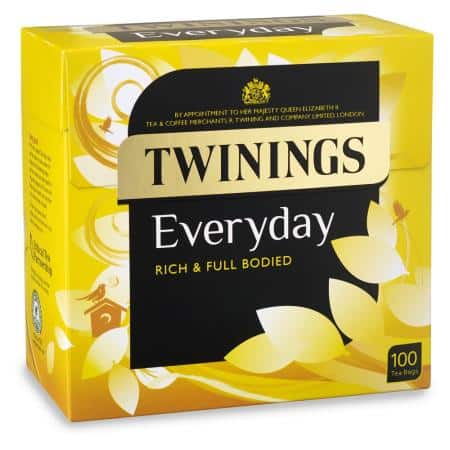
Brands such as Twinings string and tag tea bags have also adopted this format. One important reason is that plastic-free construction meets today’s consumer expectations for better quality, cleaner packaging, and greater transparency.
The tag attached to a tea bag isn’t just for aesthetic or identification purposes. It’s also a practical part. Food-safe labeling standards govern what material the tag is made of and what inks are used on it. The goal is to ensure that no harmful substances are transferred from the tag to the hot water when brewing tea.
Common Formats and Consumer Applications
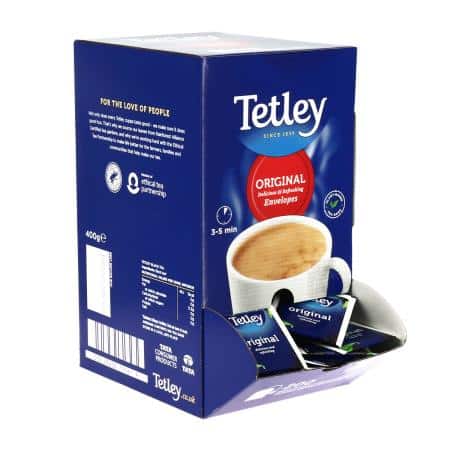
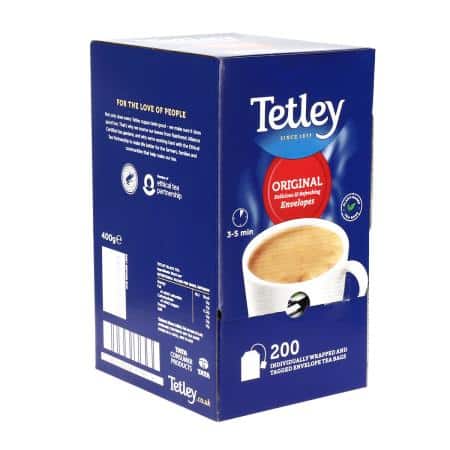
String and tag tea bags are particularly popular in hotels, cafés and other hospitality settings. One of the main reasons for this is hygiene. When each tea bag is sealed in a separate packet, each bag remains clean and safe. It is less likely to come into contact with another tea bag or a person’s hand. This way, each bag comes pre-sealed and can be poured directly into a cup to make tea when needed.
Twinings string and tag tea bags and Yorkshire Tea both offer this format in their premium ranges. In this design, the string for tea bags is not only used to hold or remove the tea bag, but also becomes a convenient handling tool for people working in busy cafés, restaurants and hotels. The employee or customer can easily remove the tea bag from a hot cup without the need for a spoon or any other tool.
Food-safe and heat-resistant tag
The tag attached to the tea bag is also specially made. It should be food-safe and heat-resistant. This means that when the tag is placed on the edge of a hot cup, it should not be easily damaged and should not release any harmful substances into the tea. In this way, the tag is not just a part of the tea-making process that shows the name or brand, but also helps in safety and ease of use.
DIY loose-leaf tea market
This format is not limited to tea bags that are already filled with tea. Another growing use is in the DIY loose-leaf tea market. In this, people buy empty string and tag tea bags and then fill them with their own tea, herbs or different tea blends.
Empty tea bags are usually sold in packs such as 64-count and 200-count. That is, a pack can contain 64 or 200 empty bags. The user can fill these bags at home according to their needs. For example, a person can use loose tea of their choice, mix different herbs or prepare their own special tea blend.
Fillable format of tag tea bags
This fillable format of tag tea bags offers the same convenience as commercial tea bags. The user does not need to handle their tea with a separate filter, cloth or other means. They can put their desired amount inside the tea bag, hold it in a cup with the help of the string and easily remove it when the tea is ready.
Herbal infusions
These bags can also be especially useful for herbal infusions. In herbal tea, the steeping time can often be different for each type of plant or blend. The string and tag make it possible to easily remove the bag after a set time. This makes it easier to avoid keeping the tea in the water for longer than necessary.
Single-origin teas
For those who want to try single-origin teas, these empty bags also provide an easy and inexpensive way. In single-origin tea, the tea comes from a specific region or a specific crop, so the user can try different teas separately and understand the taste of each one for themselves.
Custom blends
Similarly, those who want to make their own custom blends can also use these bags. For example, a new blend can be created by mixing different loose teas, herbs or other suitable ingredients according to their preferences. This mixture can then be placed in an empty tea bag and used like a regular tea bag.
Such packs become a practical and cost-effective entry point for those who want to use loose-leaf tea but do not want the need for a tea strainer or other special equipment every time. All they need is an empty bag, the loose tea of their choice and hot water.

Free Shipping
On all orders over £99

Trusted Service
Trusted by over 450 customers

Money-Back Guarantee
Shop with confidence

Customer Support
We're here to help