
Blog
How to Dispose of N2O Canisters

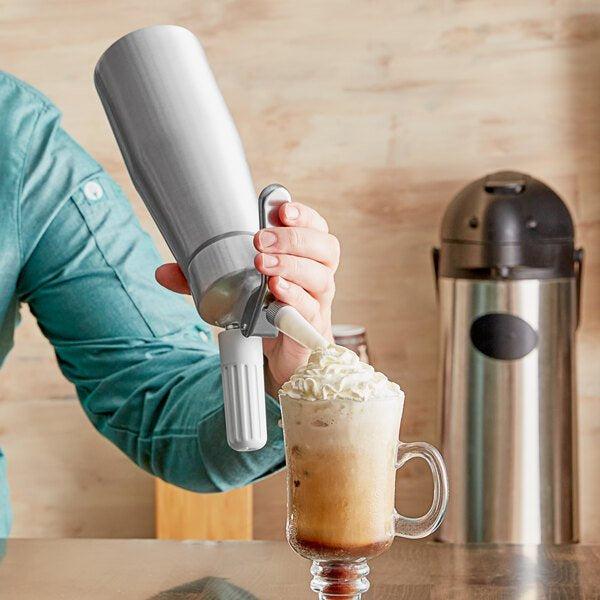
Use of whipped cream chargers, catering supplies, or cream dispenser products at home or in professional kitchens frequently leads to people looking for information on how to dispose of N2O canisters. They are small metal canisters that are popular throughout the UK for creating fresh whipped cream, desserts, foams and innovative beverages. While they’re easy to use, convenient and cheap to get, many people are not sure what to do with their empty cylinders after.
If you’ve ever looked at a stack of empty cream charger canisters and wondered if they should be put in the recyclables, bin or somewhere else, you are not alone. The great news is that when it involves the proper disposal of N2O canisters, it’s typically pretty easy to get right once you understand the essentials.
Here, we’ll explain it all in layman’s terms, so you can safely, responsibly, and legally dispose of your canisters and learn to make more informed purchases.
An N2O Canister is used for?
N2O canisters are small cylinders of food grade nitrous oxide gas. They’re commonly used with whipped cream dispensers to create fluffy cream in seconds.
They’re popular among:
- Home bakers
- Dessert lovers
- Coffee shops
- Restaurants
- Cocktail bars
- Catering businesses
Large cream charger tanks and refill systems are also becoming more common in the UK in recent years due to the waste reduction and cost effectiveness for regular consumers.
Proper disposal is important because…
A common error made by people is putting the used or half used canisters directly in domestic waste. Empty steel chargers can be recycled but gas containers can be dangerous if not handled properly.
If not disposed of properly, it can result in:
- Waste processing fire risk.
- Damage to recycling equipment
- Environmental waste
- Disposal issues (legal/council)
Spending a few additional minutes properly disposing of them will help keep workers, recyclers, and the environment safe.
How to know when an N2O canister is empty.
When disposing of any Nitrous oxide charger ensure that it is completely empty.
If a canister is empty, then:
- No gas will discharge if connected to a gas dispenser.
- Lighter than unused chargers
- There does not exist a sound of hissing.
- The pressure is no longer being produced by the dispenser.
Do not attempt to puncture or crush a charger. If there is any gas left, even a small amount, it could injure.
Are N2O Canisters Recyclable in the UK?
Yes – empty N2O canisters are recyclable, most of the time in the UK, as they are constructed of steel. But, each council has different restrictions.
Most councils recommend:
- When using the DREC, make sure the canister is empty.
- This will be placed with metal recycling.
- Recycling larger amounts in special centres
Some local recycling centres may not accept small pressurised containers at all, so please check council website before disposing.
Regularly cream charger users can save a lot of waste by upgrading to larger refillable systems.
The best ways to dispose of N2O canisters are to follow the recommendations listed below.
Household Recycling
If you are only using the chargers occasionally, it may be best to take them back to the metal recycling shop in your area to be recycled.
Simply:
- Make sure that the canister is empty.
- Keep it away from household waste.
- If council collects it: put it in the right recycling bin.
Local Recycling Centres
If you are looking to recycle a lot of chargers that have been used by parties, caterers or events, it is usually safer to take them to a local recycling centre.
Many centres accept:
- Steel containers
- Metal scrap
- Empty gas chargers
This comes in handy for bigger cream charger cylinders.
Specialist Waste Disposal
Professional waste collection services are a common feature in commercial kitchens and cafés, where they may be responsible for collecting and disposing of a large amount of waste. This ensures that everything is up to code and eco-friendly.
The most common disposal mistakes to avoid are:
Because N2O canister usage rules are not always clear, many people improperly dispose of N2O canisters by accident.
Some of the more common pitfalls are:
Put Full Chargers into the Bin
This is one of the greatest issues. If they are still filled with gas, pressurised canisters should only be taken to general waste bins if they have been emptied of gas.
Burning or Crushing Them
Do not use do-it-yourself disposal methods. Chargers are steel pressure vessels and they can get dangerous if damaged.
Leaving Them Outdoors
Used containers are left outside after parties and events by some. This can not only leave the area looking ragtag, but can also destroy habitats and litter up the area.
The mixing of these with glass and plastic recycling is a problem.
N2O chargers are metallic and should only be taken to places that collect metal.
As more people switch to larger cream chargers, the reasons are evident.There are reasons for more people switching to larger cream chargers.
For those who use cream chargers often, larger tanks and refill systems are rapidly becoming very popular in the UK.
There are many reasons why people switch, but these are some of the common ones:
- Less packaging waste
- Better long-term value
- Reductions in number of canisters to dispose of per individual
- An extra feature that is good for heavy users.
This can make cleaning and disposing of such facilities easier, simpler, and less time-consuming for bakeries, cafés, and everyday home users.
Connect readers to other guides such as:
- Best Cream Chargers for Home Baking.
- Learn how to safely use a cream whipper.
- Which is better – large cream chargers or small cream chargers?
This can help readers keep going to the next topic and also boost SEO in a natural way.
A Realistic Example
Now think of someone throwing a birthday party in their home, where they serve desserts and beverages from whipped cream dispensers. Following the event, they’re left with dozens of empty chargers.
Initially they put everything in the standard dustbin. Later they find that many councils do not encourage this as it can be a safety risk during the waste processing.
Rather, they remove the empty chargers, verify that they are all full, and deliver them to a scrap metal recycling shop. The next time they buy a bigger refill system so as to save on wastes!
This is what many UK users are doing right now.
The choice between N2O Canisters and DIY Alternatives.The N2O Canisters vs. DIY Alternatives.
Many ask if the cream chargers should be omitted altogether and whipped cream prepared by hand.
Cream chargers have some advantages over hand whisking some of the smaller amounts:
- Fast and convenient, no need for a mixer, but can cause the cream to be harder to mix in small quantities and may result in inconsistent texture; can be more difficult to mix in parties, but is more professional looking and stable for small quantities of cream.
Quality cream chargers are typically the more convenient choice for regular baking, desserts and beverages.
FAQs About How to Dispose of N2O Canisters
Can I put empty N2O canisters in household recycling?
In many UK areas, yes — if they’re completely empty and your local council accepts metal recyclables. Always check local guidelines first.
Are nitrous oxide canisters recyclable?
Most are recyclable because they’re made from steel. However, they must be fully empty before recycling.
Can I throw cream chargers in the normal bin?
It’s not recommended, especially if they still contain gas. Recycling or proper disposal is the safer option.
What should I do with large cream charger tanks?
Larger tanks should usually be returned to suppliers, recycled through specialist centres, or handled by commercial waste services.
Are refillable cream charger systems better for the environment?
For regular users, refillable systems can reduce packaging waste and lower the number of disposable chargers being used.
Final Thoughts
How to dispose of N2O canisters safely is something every cream charger user should understand. Whether you use them occasionally at home or regularly in a café or catering business, proper disposal helps reduce waste, improves safety, and supports better recycling habits across the UK.
The process is usually straightforward: make sure the canisters are empty, check local recycling rules, and avoid unsafe disposal methods. If you use chargers frequently, upgrading to larger refill systems can also make life easier while cutting down on waste.
As cream chargers continue growing in popularity for desserts, coffee drinks, and creative recipes, responsible use and disposal are becoming more important than ever. Choosing high-quality products from trusted suppliers and disposing of them correctly helps everyone enjoy the convenience safely and responsibly.
One thought on “How to Dispose of N2O Canisters”